[9] The Meaning We Give to Life
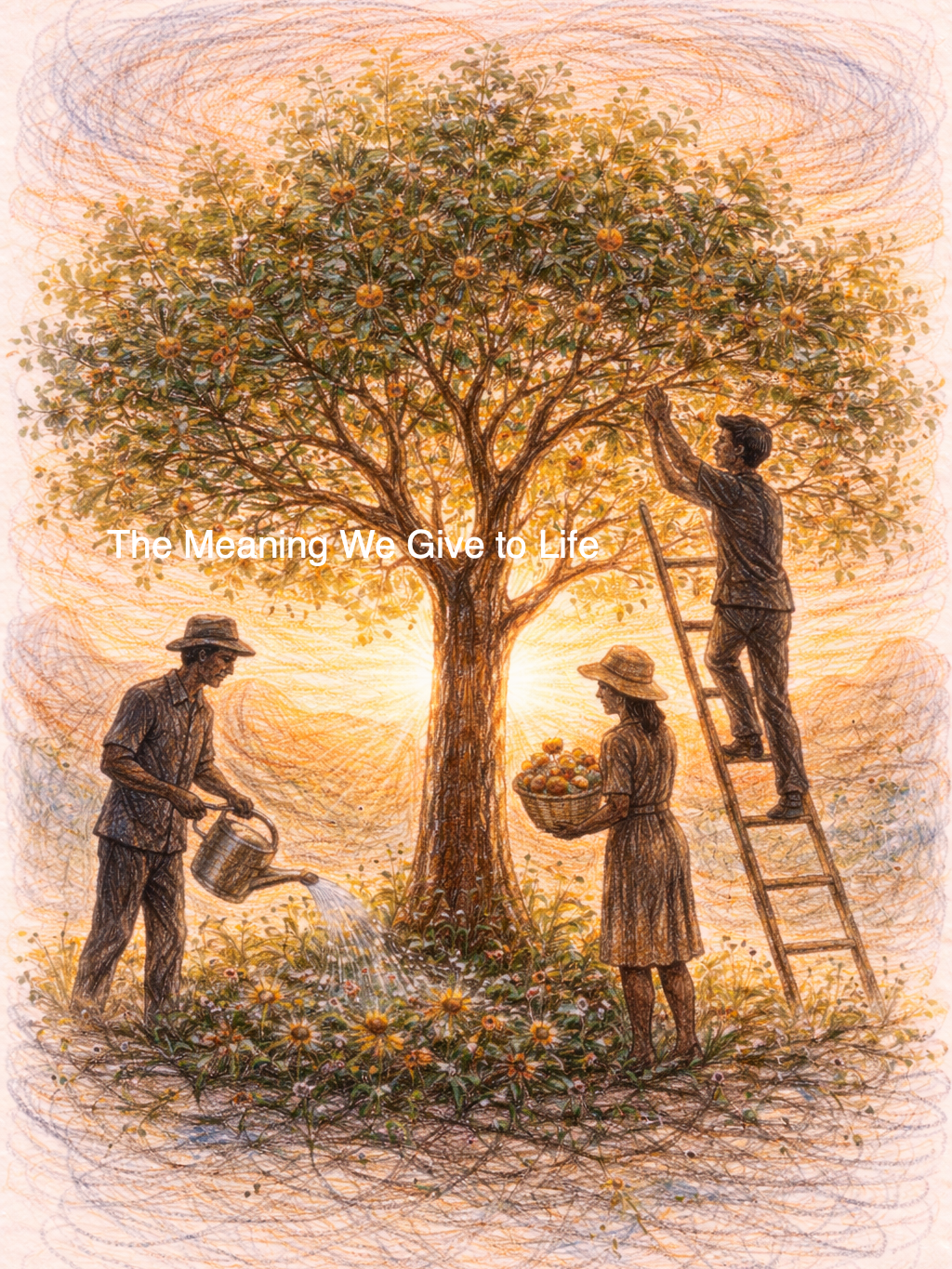
This is why we have another, surprisingly powerful option: to give meaning to our own lives. If there is no fixed meaning handed to us, we can create one. We can assign meaning to our work, our emotions, and even the smallest actions of our day.

1 Meaning Is the Food for the Soul
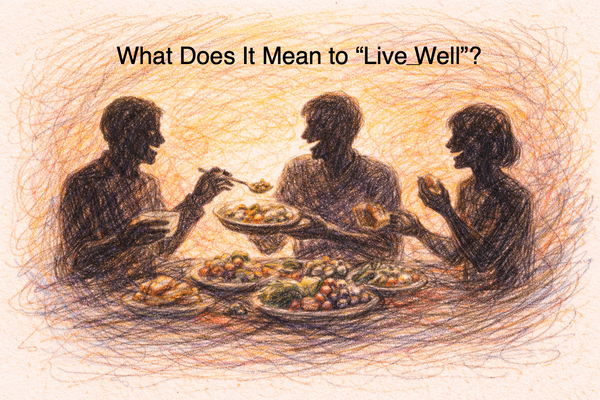
For human beings, "meaning" is much like food. Just as we consume nutrients to gain physical energy, we assign meaning to gain the motivation and reasons to live. We see people exploring their inner selves through yoga, meditation, or even fasting—this shows how essential the search for meaning is to our nature. We may not have chosen to be born, but once we arrive, the desire to live "well" resides in all of us.
When faced with the task of defining our lives, we have several choices:
- The First Path: Living day by day with joy and productivity, without chasing a grand, ultimate meaning.
- The Second Path: Keeping our daily routine steady while gradually bringing our ideal life into reality.
- The Third Path: Moving flexibly between the two—sometimes searching for meaning, sometimes simply letting life flow.
Then, there is a more delicate and painful path: letting go of life itself. While often misunderstood, this can be seen as the ultimate struggle when one can no longer find a single reason to endure. I do not mean to defend this choice, but rather to highlight how desperately real the need for a "reason to live" is for every human being.
2 No Meaning? Then I’ll Create It
A fundamental doubt often arises: In this vast universe, is a human life really that valuable? What if life is inherently meaningless? For anyone, accepting that their life might have no inherent purpose is a profound struggle.
This is why we have another, surprisingly powerful option: to give meaning to our own lives. If there is no fixed meaning handed to us, we can create one. We can assign meaning to our work, our emotions, and even the smallest actions of our day. As we try new things and change our perspective, life—little by little—begins to take on the color of the meaning we’ve chosen to give it.
However, when creating our own meaning, there is a minimal promise we should keep: do not harm others, do not hinder another’s life, and do not mock those who are also searching for their own truth. If we maintain this basic respect, the meaning we build will never become a weapon.
In truth, life does not require a magnificent meaning to be livable. Philosophy is the same. It doesn't automatically make life "better," and many people live more philosophically than scholars without ever opening a book. I only wish to say that in decisive moments, philosophy lends us a vital tool: the power of thinking.
After a long time of reflection, I have reached one conclusion: A human being is already a meaning, simply by existing. Of course, life rarely goes as planned. The conditions we are given are not equal. This is why we hurt, and why we wander. Yet, one thing must be clear: we should live in a world where a person's existence is respected for one reason alone—because they are alive. Even if philosophy sometimes feels too idealistic, I believe this faith is a necessary courtesy toward life—one we must never let go of.
I hope you’ll find a moment to meet it.
 김대근 DAEGEUN KIM
 김대근 DAEGEUN KIM
 김대근 DAEGEUN KIM

![[7] How Should I Live—and What Should I Do?](/content/images/size/w600/2026/02/ChatGPT-Image-2026----2----19-----------05_49_20-1.png)