Losing Your Way to Find Yourself [Book Introduction]
This book invites readers into the timeless questions that define human existence — “Who am I?”, “Why was I born?”, and “Why must I live?” For those who carry deep and restless questions, Losing Your Way to Find Yourself offers a moment of quiet contemplation — a pause between one step and the next.

![Losing Your Way to Find Yourself [Book Introduction]](/content/images/size/w1200/2026/01/photo_6305191993067375788_y-1.jpg)
 Follow
1 Book Introduction: Losing Your Way to Find Yourself
Subtitle: A Philosophical Journey into the Meaning of Being You
This book invites readers into the timeless questions that define human existence — “Who am I?”, “Why was I born?”, and “Why must I live?”
It was born from a period of deep contemplation — a time of sensing an inexplicable emptiness, of wrestling with “a strangeness about myself that no words could explain.” From that silence came a quiet realization: the journey of self-understanding is not only personal but universal.
Structured into nine chapters, the book weaves together philosophical insight, personal reflection, and gentle guidance. It unfolds in three major thematic parts:
1. Self-Awareness (Chapters 1–3)
These chapters explore the process of becoming aware of oneself — who we are, what identity means, and how philosophy becomes a tool for self-discovery. Identity, the book suggests, is not fixed, but something we continuously form and re-create through reflection and choice.
2. Life’s Space and Direction (Chapters 4–6)
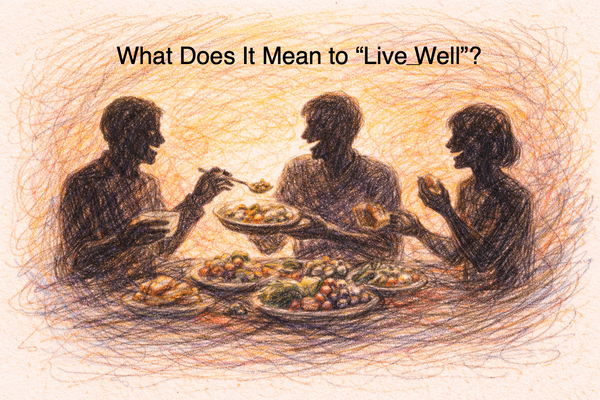
Turning outward, this section examines the world we inhabit and the paths we choose to walk. It reflects on what it means to live well — not merely to survive or succeed, but to live with depth, virtue, and a sense of alignment between thought and action.
3. Practice and Creation of Meaning (Chapters 7–9)
The final part moves from reflection to action — from thought to the creation of meaning. It explores the “leap of faith” required to overcome hesitation, the courage to live by one’s convictions, and the art of standing as oneself, even amid imperfection and incompleteness.
The book suggests that we are all travelers — not finished beings, but ones forever on the way, walking and questioning ourselves as we go. Drawing on the wisdom of thinkers from Montaigne to Rilke, it reminds us that philosophy does not promise perfect answers, but the courage to live with better questions.
For those who carry deep and restless questions, Losing Your Way to Find Yourself offers a moment of quiet contemplation — a pause between one step and the next.
It reminds us that sometimes, the question itself is more precious than the answer.
To live well is to live authentically and responsibly — not perfectly, but truthfully — and to embrace the courage to answer the call of the wild within.
2 Korean version
 김대근 DAEGEUN KIM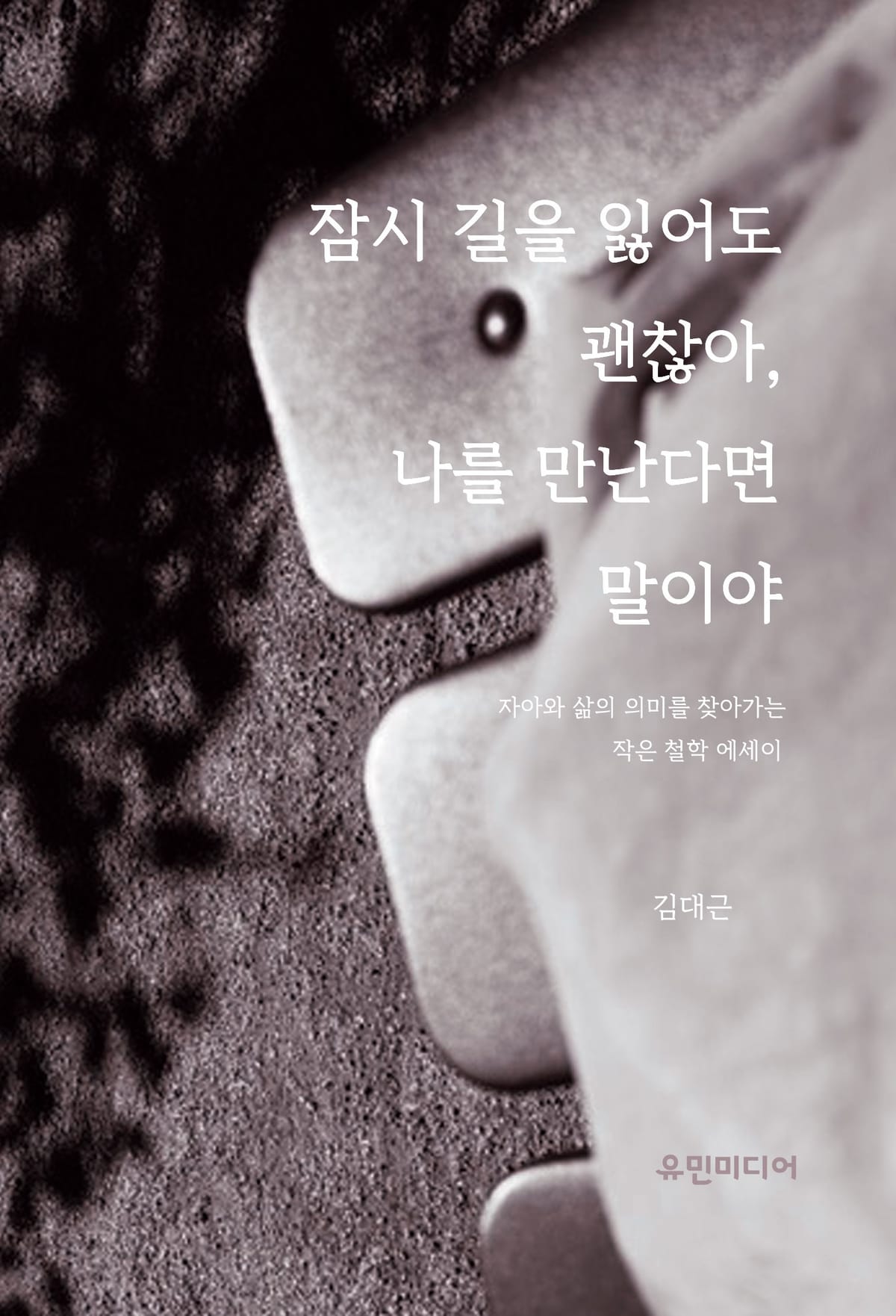
 김대근 DAEGEUN KIM

![[7] How Should I Live—and What Should I Do?](/content/images/size/w600/2026/02/ChatGPT-Image-2026----2----19-----------05_49_20-1.png)